Introduction
October marks an important seasonal transition in the United Arab Emirates. After months of intense summer heat, temperatures gradually begin to fall, while humidity, morning fog, and the possibility of rainfall become increasingly relevant to property maintenance and construction planning. According to the UAE climate information published by the National Center of Meteorology, October and November form a transitional period characterised by rapidly changing weather conditions.
For homeowners, contractors, facility managers, and construction professionals, these changes create both opportunities and challenges. More comfortable outdoor conditions can make painting projects easier to schedule, but fluctuating temperatures, moisture, and unexpected weather can affect surface preparation, paint application, drying, and long-term coating performance.
Understanding how October weather in the UAE influences building paint and coatings helps property owners make better maintenance decisions. Whether the project involves repainting a villa, protecting a commercial building, or maintaining an industrial facility, the right coating system and application practices are essential for achieving a durable finish.
1. Understanding October Weather Conditions in the UAE
The UAE’s October weather is different from the peak summer season. Temperatures generally begin to decline, particularly during the second half of the month, although daytime conditions can remain warm. Relative humidity may be higher during early mornings and after sunset, while localised rainfall and fog can affect certain areas.
These changing conditions matter because paint is a material that responds to its surrounding environment. Temperature affects how coatings flow and dry, humidity influences moisture evaporation, and rainfall can interfere with freshly applied paint.
The impact also varies according to location. Coastal areas such as Dubai, Sharjah, and Ras Al Khaimah may experience different humidity conditions from inland locations. Buildings near the coast may also face salt exposure, while properties in desert environments must contend with dust and airborne sand.
For this reason, painting schedules should be based on actual site conditions rather than the calendar alone. October may offer favourable opportunities for exterior painting, but every project still requires suitable weather, clean surfaces, and compliance with the paint manufacturer’s application instructions.
2. How Lower Temperatures Affect Paint Application
One of the most noticeable seasonal changes in October is the gradual reduction in temperature. This can improve working conditions for painters and construction teams who previously had to manage extreme summer heat.
During very hot weather, exposed walls can become significantly warmer than the surrounding air. Paint applied to an overheated surface may dry too quickly, potentially affecting its flow, levelling, and ability to form a uniform film. Rapid drying can contribute to visible lap marks, uneven finishes, and application difficulties.
As temperatures moderate in October, these challenges may become easier to manage. Painters may have more opportunities to apply coatings under suitable conditions, allowing the material to spread more evenly and develop its intended appearance.
However, cooler conditions do not automatically guarantee better results. If temperatures fall below the minimum permitted for a particular product, drying and curing may slow down. This is particularly important for industrial coatings, primers, and multi-layer protective systems that depend on specific environmental conditions.
Contractors should check the product’s technical data sheet for the permitted air temperature, surface temperature, and application requirements. The surface must also be free from condensation before painting begins.
Practical tip: Measure the temperature of the actual surface, especially on exterior walls and metal structures. Air temperature alone may not accurately reflect the conditions in which the coating will be applied.
3. Rising Humidity and Its Impact on Building Paint
Humidity is another important consideration during October in the UAE. As the weather transitions away from summer, moisture levels can fluctuate throughout the day. Coastal locations and areas affected by morning fog may be particularly challenging.
High humidity can slow the evaporation of water or solvents from certain paint formulations. Depending on the product, this may extend drying times, delay recoating, or affect the development of the coating film.
When painting schedules do not account for these conditions, the next coat may be applied before the previous layer is ready. This can compromise the final finish and may contribute to adhesion problems or other coating defects.
Humidity can also expose existing building maintenance issues. Walls with poor drainage, persistent dampness, leaking pipes, or inadequate waterproofing may develop stains, blistering, or peeling paint. Simply repainting these surfaces without addressing the moisture source is unlikely to provide a lasting solution.
To reduce humidity-related risks, painting teams should:
- Check humidity and surface conditions before application.
- Allow washed or repaired surfaces to dry thoroughly.
- Avoid painting surfaces affected by condensation.
- Follow the recommended drying and recoating intervals.
- Investigate damp patches before applying a new coating system.
For interior spaces, adequate ventilation can support drying, provided it does not introduce excessive dust or moisture. On exterior projects, work should be planned around the daily weather pattern and the product’s stated environmental limits.
4. Rainfall and Moisture Protection for Exterior Walls
Although the UAE generally receives limited rainfall compared with many other regions, occasional rain can still affect construction schedules and building maintenance. October is part of a transitional period during which weather conditions can change quickly.
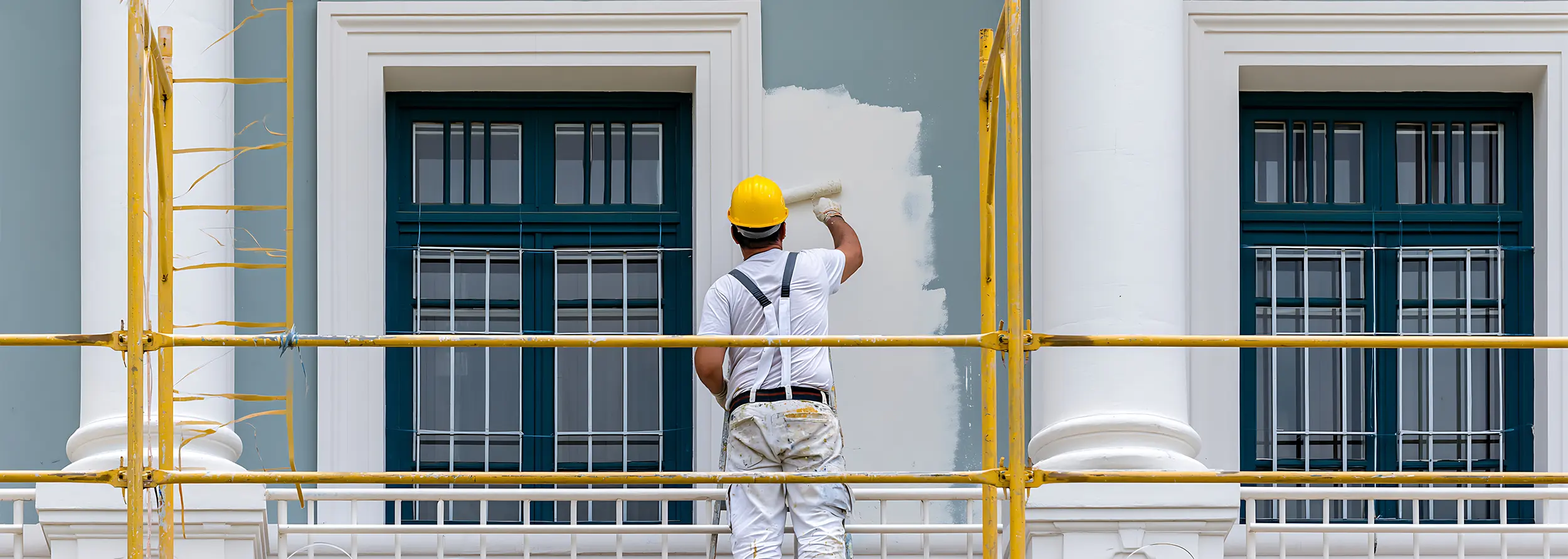
Freshly applied exterior paint needs sufficient time to develop resistance to moisture. If rain reaches a coating before it has dried adequately, it can cause surface marks, uneven colour, streaking, or damage to the developing film. The level of risk depends on the coating formulation, application conditions, and time elapsed since application.
Rain can also reveal weaknesses in an existing building envelope. Cracks, deteriorated sealants, poorly protected parapets, and defective drainage systems may allow water to reach the substrate beneath the paint.
Before repainting an exterior wall, contractors should inspect the surface for cracks, loose material, water stains, and areas where paint has detached. Any underlying defects should be repaired before the new coating is applied.
For buildings exposed to moisture, selecting suitable exterior paints and protective systems is equally important. RAK Paints offers exterior products such as RAK Weather Resist Emulsion Matt, a 100% pure acrylic emulsion topcoat designed for exterior surfaces, with stated resistance to ultraviolet radiation and low dirt pickup.
However, weather-resistant paint should not be treated as a substitute for structural waterproofing or proper drainage. A successful system combines the appropriate coating with sound surface preparation and effective moisture management.
5. Why Surface Preparation Matters More During Seasonal Changes
The durability of a paint finish depends heavily on the condition of the surface beneath it. Seasonal changes can make existing defects more noticeable, particularly after prolonged exposure to summer heat, dust, and moisture.
Exterior walls may contain accumulated dirt, chalking, fine cracks, or areas where the original paint has begun to detach. Concrete and plaster surfaces may also retain moisture after cleaning or repair work.
Applying new paint over these problems can prevent the coating from bonding properly. Even a high-quality product may fail prematurely if it is applied over a weak, contaminated, or damp substrate.
A suitable preparation process typically includes cleaning the surface, removing loose paint, repairing cracks and imperfections, and allowing repairs to dry. The correct primer should then be selected according to the substrate and the intended coating system.
RAK Paints lists products such as RAK Acrylic AR Primer within its product range. The appropriate primer and application system should be confirmed against the substrate, technical documentation, and project requirements.
For older buildings, preparation should also include checking for signs of previous moisture damage. Stains, mould, blistering, and recurring peeling may indicate a problem that must be resolved before repainting.
October can be a useful time to assess these issues and plan maintenance before cooler winter conditions arrive. Nevertheless, repairs and painting should proceed only when the surface and weather conditions are suitable.
Choosing the Right Exterior Paint for October Conditions
Selecting paint based on colour alone is not enough for buildings in the UAE. Exterior coatings must be appropriate for the substrate, expected exposure, and the environmental conditions the building experiences throughout the year.
For rendered walls, cement plaster, concrete, and masonry, a suitable exterior acrylic coating can provide a decorative finish alongside protection against environmental exposure. Important selection factors include adhesion, UV resistance, colour retention, dirt pickup, and resistance to the weather conditions specified for the product.
RAK Paints’ Weather Resist Emulsion range is one example of a product category designed for exterior applications. Its Matt and Silk versions are described by the manufacturer as acrylic-based exterior topcoats with UV resistance and low dirt pickup.
The finish should also suit the building’s maintenance requirements. A property exposed to dust and frequent contact may require different cleaning and upkeep considerations from a less exposed residential façade.
For metal surfaces, a suitable primer and compatible protective topcoat are important. In coastal or industrial environments, corrosion protection becomes particularly relevant because moisture, airborne salts, and contaminants can accelerate deterioration.
For factories, warehouses, and other demanding facilities, industrial coating systems should be selected according to the surface material, chemical exposure, abrasion, and operating conditions. RAK Paints offers industrial and protective coating categories, including epoxy and polyurethane products, that can be assessed for appropriate applications.
The essential principle is to choose a complete, compatible coating system rather than relying on a single product to solve every environmental challenge.
7. Protecting Industrial Buildings and Metal Structures
October maintenance planning is not limited to residential properties. Industrial facilities, warehouses, workshops, and commercial developments also need to consider how seasonal changes affect protective coatings.
Metal structures may have experienced months of heat, dust accumulation, and exposure to humid coastal air. Existing coatings should be inspected for rust, cracking, blistering, loss of adhesion, or damage around joints and exposed edges.
If corrosion is present, applying a new topcoat directly over rust may conceal the problem without adequately controlling it. The affected areas need appropriate preparation, and the protective system should be selected according to the metal substrate and environmental exposure.
Industrial coating performance also depends on correct mixing, application thickness, and curing conditions. Some systems require carefully controlled intervals between coats, while others have specific requirements relating to humidity, temperature, and surface cleanliness.
Before scheduling maintenance, facility managers should review the relevant technical data sheets and coordinate work with qualified applicators. This helps minimise avoidable delays and reduces the risk of premature coating failure.
A planned inspection in October can help identify maintenance requirements before the more comfortable winter working season becomes busy.
8. Common Painting Mistakes to Avoid in October
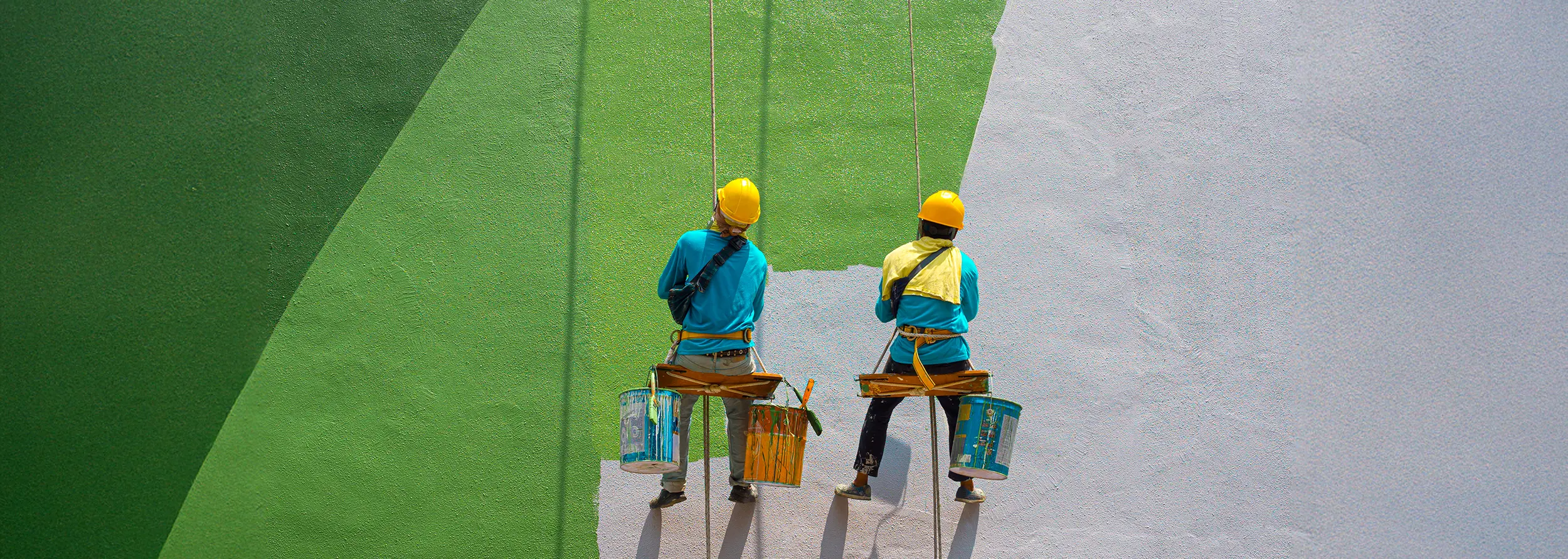
Even when the weather appears suitable, a few common mistakes can compromise a painting project.
Painting during high morning humidity: A wall may appear dry while condensation is present or the surface remains too damp. Inspect the surface and measure relevant conditions before starting.
Ignoring the rain forecast: Fresh paint may be vulnerable to rain before it has developed sufficient resistance. Allow an appropriate weather window for application and drying.
Applying paint over damp plaster: Trapped moisture can contribute to blistering, peeling, and discolouration. Identify the source of dampness and allow the substrate to reach the required condition.
Using an unsuitable primer: Primer selection should reflect the substrate and the coating system. An incompatible or incorrectly applied primer can undermine adhesion.
Assuming all paints dry at the same rate: Different water-based, solvent-based, epoxy, and polyurethane products have different application and curing requirements.
Overlooking manufacturer instructions: Temperature limits, humidity restrictions, thinning requirements, application thickness, and recoating intervals vary by product. Follow the relevant technical data sheet rather than applying one set of rules to every coating.
Avoiding these mistakes helps contractors achieve a more consistent finish and supports the long-term performance of the completed work.
9. An October Painting Checklist for UAE Property Owners
Before starting an exterior or industrial painting project, property owners and contractors can use a simple checklist to assess readiness.
First, inspect the building for cracks, peeling paint, corrosion, water stains, and other signs of deterioration. Identify any underlying defects that need repair.
Second, check the forecast for the planned application period, including the possibility of rain, fog, or changes in humidity. Consider the conditions expected during drying and curing, not just when the paint is applied.
Third, confirm that the surface is clean, stable, and sufficiently dry. Measure the surface temperature and other environmental conditions required by the chosen product.
Fourth, select a compatible primer, intermediate coat if required, and topcoat suitable for the substrate and exposure. Verify the manufacturer’s application instructions before work begins.
Finally, organise the project schedule around the available weather window. If conditions fall outside the product’s permitted limits, postpone application until they improve.
This approach can help reduce rework, avoid unnecessary material waste, and support better coating performance.
10. How RAK Paints Supports Building Protection in the UAE
Choosing the right coating is an important part of maintaining properties in the UAE’s demanding climate. RAK Paints, established in 2008 and based in Ras Al Khaimah, manufactures decorative, industrial, protective, and wood coating products for a range of applications.
Its product portfolio includes exterior emulsions, primers, epoxy topcoats, polyurethane coatings, and specialised products. This range allows homeowners, contractors, and industrial project teams to explore solutions based on their specific surfaces and performance requirements.
For an October painting project, the most suitable solution depends on more than seasonal timing. Surface condition, location, moisture exposure, substrate type, and application conditions must all be considered when choosing a coating system.
RAK Paints encourages property owners and project professionals to review the available product information and seek guidance on selecting suitable paints and coatings for their intended applications.
To explore the product range, visit the official RAK Paints website or contact the sales team at sales@rakpaints.com or +971 7 244 4036.
Conclusion
October represents a useful opportunity to review building maintenance and plan painting work across the UAE. As temperatures gradually decline and humidity patterns change, outdoor working conditions may become more favourable. However, moisture, morning fog, unexpected rainfall, and variations in surface temperature can still influence coating application and performance.
The best results come from understanding the local conditions, preparing surfaces thoroughly, choosing suitable paints and protective coatings, and following manufacturer application instructions. These steps help protect buildings from environmental exposure while preserving their appearance and reducing avoidable maintenance.
For homeowners, contractors, and facility managers, October is not simply a time to repaint. It is an opportunity to assess the condition of existing surfaces and establish a more reliable approach to long-term building protection.
With a suitable coating system and careful planning, RAK Paints helps customers explore paint and coating solutions for the varied demands of residential, commercial, and industrial properties in the UAE.
