Introduction
Choosing the right time to paint a building is just as important as selecting the right colour or paint product. In the United Arab Emirates (UAE), where buildings experience intense summer heat, high humidity, dust and occasional rainfall, weather conditions can significantly influence the quality and durability of a painted surface.
October is often considered a promising month for painting in the UAE because temperatures generally begin to moderate after the summer. This can make exterior painting, renovation work and maintenance projects easier to schedule. However, changing temperatures, humid mornings, coastal moisture and occasional unstable weather still require careful planning.
So, is October a good time to paint in the UAE? In many cases, yes. The key is to understand the conditions at the actual worksite, prepare surfaces correctly and choose a coating system suited to the application.
At RAK Paints, the focus is on paint and coating solutions for decorative, industrial and protective applications. Understanding seasonal conditions helps property owners, contractors and facility managers make more informed decisions about their painting projects.
Why October Can Be a Good Month for Painting in the UAE
The transition from summer towards the cooler months can create more comfortable conditions for outdoor maintenance and renovation. Compared with the hottest summer periods, October may offer more suitable working hours and less intense afternoon heat, depending on the location and daily forecast.
For homeowners planning to refresh a villa exterior, contractors working on residential developments and businesses maintaining commercial properties, this seasonal change can provide a useful opportunity to schedule painting.
Several factors make October worth considering.
1. More Manageable Temperatures
High temperatures can create challenges during paint application. When a surface becomes too hot, paint may dry too quickly, making it harder to achieve an even finish. Rapid drying can also affect levelling, adhesion and the appearance of overlapping brush or roller marks.
October’s comparatively moderate weather can help reduce some of these challenges. However, exterior walls exposed to direct sunlight can remain considerably hotter than the surrounding air.
The best approach is to check the surface temperature and the product’s recommended application range before starting work. Painting during suitable morning or afternoon hours may be preferable to working during the hottest part of the day.
2. Better Conditions for Outdoor Renovation
Outdoor painting involves more than applying a fresh coat of colour. Contractors must also clean surfaces, repair cracks, apply primer and allow each coating layer to dry properly.
More comfortable weather can make these tasks easier to manage, particularly on large buildings and exposed exterior walls.
October can therefore be a useful period for repainting villas, apartment buildings, boundary walls, offices and commercial properties. The project should still be scheduled around actual temperature, wind, humidity and rainfall conditions.
3. An Opportunity to Prepare Buildings for the Cooler Season
Before the cooler months arrive, property owners can inspect exterior walls for fading, peeling paint, cracks and other signs of deterioration caused by summer exposure.
Repairing these issues early helps maintain the appearance of a building and supports better surface protection. Where moisture intrusion or structural cracking is present, the underlying problem should be addressed before repainting.
A planned maintenance project in October can help prepare a property for changing seasonal conditions rather than waiting until visible damage becomes more extensive.
How UAE Weather in October Affects Paint Application
Although October can offer favourable opportunities for painting, it is not automatically suitable every day. Several weather factors influence the performance of paint during application and drying.
1. Temperature and Direct Sunlight
Temperature affects paint viscosity, application behaviour, drying and film formation. Excessive heat can cause some paints to lose moisture or solvent too quickly, while temperatures outside a product’s recommended range may interfere with proper curing.
In the UAE, direct sunlight can heat exterior surfaces beyond the measured air temperature. A wall that feels manageable in the shade may be too hot for the selected coating when exposed to strong sunlight.
Before painting, contractors should:
- Check the paint manufacturer’s recommended air and surface temperature limits.
- Avoid applying paint to excessively hot surfaces.
- Plan work to minimise exposure to direct sunlight during application.
- Allow each coat to dry for the specified period before recoating.
Following the product’s technical data sheet is essential because different coatings have different application requirements.
2. Humidity and Moisture
Humidity is another important consideration, especially in coastal areas such as Dubai, Sharjah, Abu Dhabi and Ras Al Khaimah.
During October, early mornings and evenings can be humid even when daytime conditions are relatively comfortable. High humidity can slow the drying of certain coatings and affect the time required before applying another coat.
Moisture on a wall can also interfere with adhesion. If paint is applied to a damp surface, the finished coating may develop defects such as blistering, peeling or uneven appearance.
To reduce these risks, ensure that surfaces are sufficiently dry and that relative humidity remains within the limits specified for the product. Where relevant, check the surface temperature in relation to the dew point to avoid condensation forming during application.
3. Rainfall and Unexpected Weather Changes
Although the UAE has a predominantly arid climate, rainfall can occur, and weather conditions may change during the seasonal transition.
Rain can wash or mark freshly applied exterior paint before it becomes sufficiently resistant to water. Moisture can also enter cracks or unprotected surfaces, creating problems beneath a new coating.
Before starting exterior painting, review the local forecast and allow sufficient time for the coating to dry and develop the required resistance before rain is expected.
If the surface has recently been exposed to rain, check its moisture condition before continuing. Never assume a wall is ready simply because it looks dry.
4. Dust and Wind
Dust is a familiar challenge for painting projects across the UAE. Wind can carry fine sand and airborne particles onto freshly prepared surfaces or wet paint.
Dust contamination may create a rough finish, reduce the visual quality of the coating and interfere with adhesion if it remains on the substrate.
Before painting, remove loose dust, sand and other contaminants using an appropriate cleaning method. Avoid painting during strong winds or dust events, particularly on exposed exterior walls.
Keeping the work area clean throughout application is equally important.
Is October Better for Interior or Exterior Painting?
Both interior and exterior painting can be carried out in October, but the requirements differ.
Exterior Painting
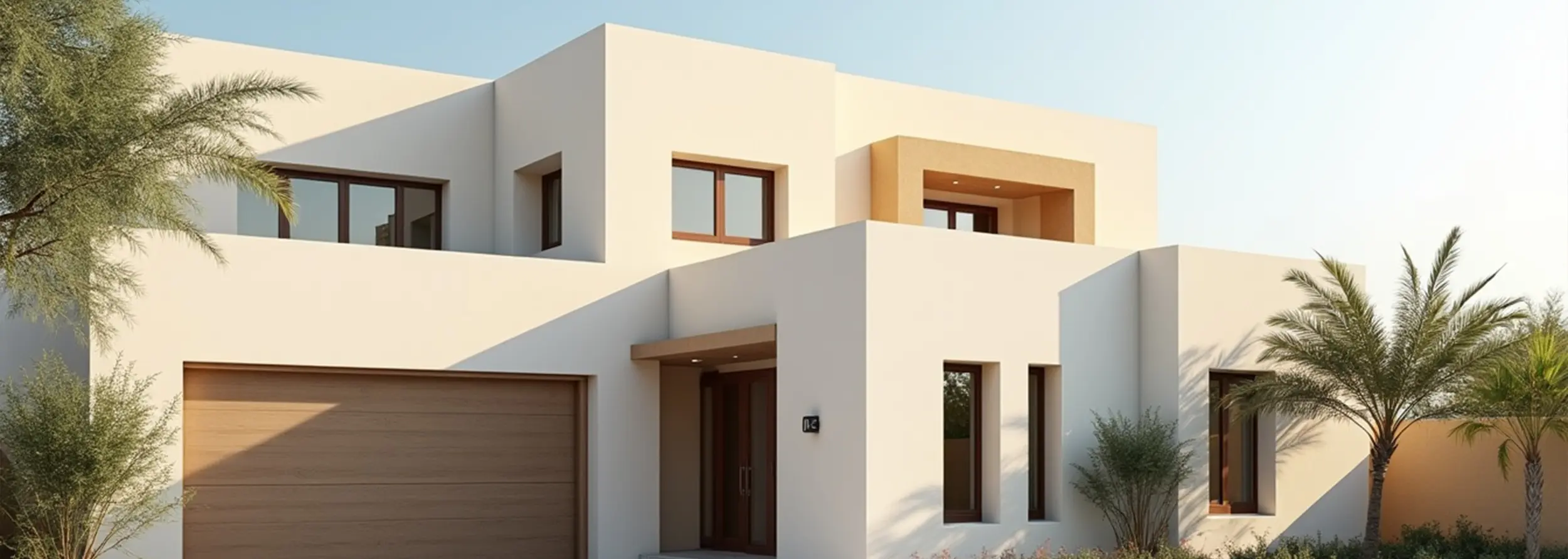
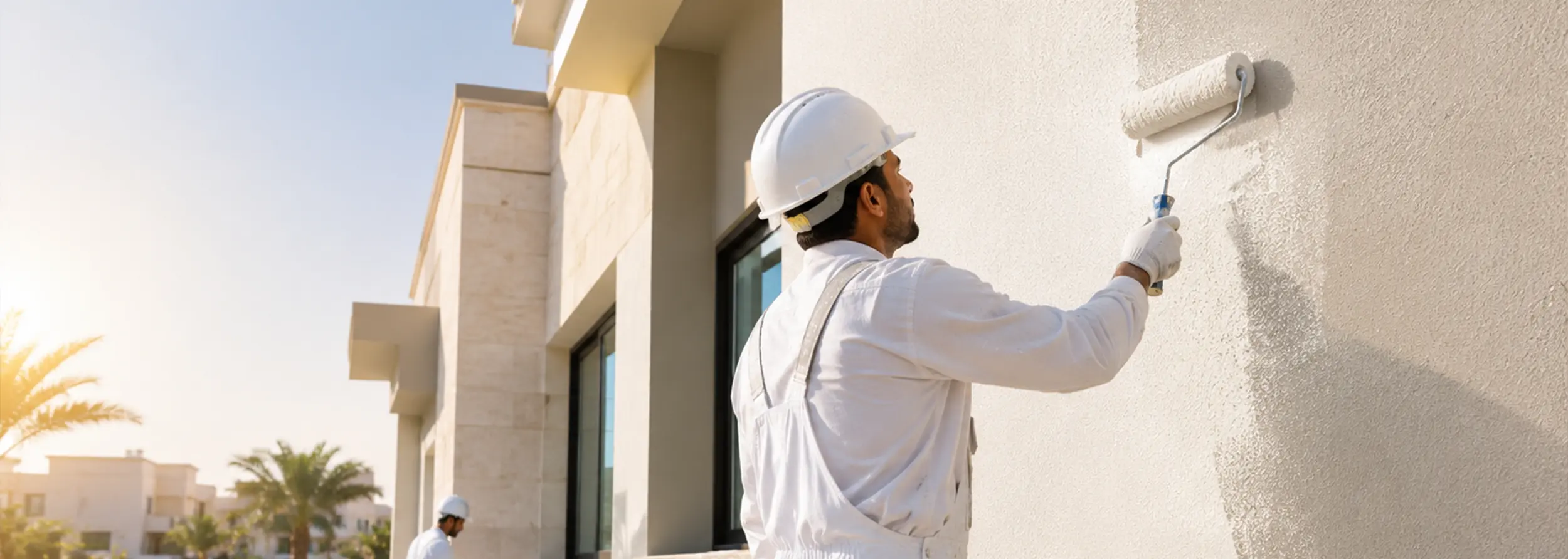
October may be a suitable period for exterior painting because outdoor work can become more manageable as the summer heat eases.
Exterior walls, however, remain exposed to direct sunlight, dust, humidity and occasional rain. Selecting a coating designed for outdoor exposure is therefore essential.
RAK Paints offers exterior emulsions and textured coatings developed for demanding weather conditions, including strong sunlight, dust and rain. The appropriate product should be selected according to the substrate, exposure level and intended finish.
For a successful exterior project, inspect the walls, repair cracks, remove loose paint, apply the recommended primer and follow the complete coating system specified for the product.
Interior Painting
Interior painting can also be a good option in October. Indoor conditions are often easier to control, particularly in air-conditioned homes, offices, hotels and commercial buildings.
However, air conditioning alone does not guarantee suitable drying conditions. Poor ventilation, condensation, excessive indoor humidity or damp walls can still affect the finish.
RAK Paints’ interior range includes products designed for different decorative requirements, with options for various finishes and everyday maintenance needs.
Choose a paint that suits the room’s purpose. For example, washable finishes can be useful in busy living areas, while kitchens and bathrooms may require products appropriate for their moisture exposure.
Always follow the recommended ventilation, drying and recoat instructions.
How to Choose the Right Paint for October Projects
Selecting paint based only on the season is not enough. The right product depends on where it will be applied, the condition of the surface and the environmental demands it must withstand.
Choose Weather-Resistant Exterior Paint
Exterior walls in the UAE face prolonged sunlight, temperature changes, airborne dust and occasional moisture. A suitable exterior coating should provide the level of weather resistance and durability required for the project.
RAK Paints offers exterior-grade emulsions and textured finishes for building surfaces. Review the product specifications to confirm suitability for the substrate and expected exposure.
Use the Correct Primer
Primer supports adhesion and helps create a consistent base for the finishing coat. It can also help seal porous surfaces and address substrate-specific requirements.
For example, RAK Paints offers acrylic primers for relevant applications, including products designed for adhesion and surface sealing. The primer should be compatible with the substrate and the selected topcoat.
Applying the wrong primer or skipping a required primer can compromise the overall coating system, even when the finishing paint is of good quality.
Consider Protective Coatings for Specialised Applications
Not every painting project involves decorative walls. Industrial facilities, warehouses, parking areas and metal structures may require specialised coatings for abrasion, corrosion, chemicals or other demanding conditions.
RAK Paints’ wider portfolio includes industrial and protective coatings for different applications. These systems should be selected according to the technical requirements of the project rather than simply because October is a convenient time to apply them.
For specialised applications, consult the product documentation and relevant technical team before specifying a coating system.
Essential Preparation Steps Before Painting in October
Good surface preparation is fundamental to achieving a durable finish. Even favourable weather cannot compensate for poor preparation.
Step 1: Inspect the surface.
Identify peeling paint, cracks, damp patches, efflorescence, corrosion and other defects. Resolve the underlying cause of any moisture or structural problem before painting.
Step 2: Clean thoroughly.
Remove dust, sand, grease, loose paint and other contaminants. Allow the surface to dry as required.
Step 3: Repair damaged areas.
Fill suitable cracks and surface imperfections with compatible repair materials. More serious cracks may require professional assessment.
Step 4: Apply the recommended primer.
Select a primer appropriate for the substrate and coating system. Observe the manufacturer’s application and drying instructions.
Step 5: Check the weather.
Review temperature, humidity, wind and rainfall forecasts. Check the actual surface conditions immediately before application.
Step 6: Apply paint correctly.
Use the recommended application method, coverage rate and number of coats. Allow the specified drying or curing time between coats.
Step 7: Protect the finished surface.
Keep freshly painted areas free from dust, moisture and unnecessary contact until the coating has reached the required level of drying or curing.
These steps help reduce avoidable defects and support more consistent results.
Common Painting Mistakes to Avoid in October
October may provide favourable painting opportunities, but poor planning can still affect the finished result.
One common mistake is assuming that cooler weather means every time of day is suitable. Direct sunlight can make surfaces too hot, while early-morning humidity can leave walls damp.
Another mistake is applying a new coat before the previous layer has dried sufficiently. Drying times vary by product and environmental conditions, so the manufacturer’s instructions should always take priority.
Painting over dusty walls is also risky. Fine sand and loose particles can compromise adhesion and leave an uneven finish.
Finally, choosing a product without considering its intended application can lead to premature deterioration. Interior paint should not automatically be used outdoors, and decorative coatings should not be treated as substitutes for specialised protective systems.
Careful scheduling, suitable products and correct application practices are more important than choosing a month alone.
Final Verdict: Is October a Good Time to Paint in the UAE?
Yes, October can be a good time to paint in the UAE, particularly for exterior renovation, building maintenance and residential repainting. The transition away from peak summer heat may provide more manageable working conditions and greater flexibility for outdoor projects.
However, the best results depend on daily weather conditions, surface temperature, humidity, surface preparation and the paint system selected. High humidity, dust, direct sunlight and unexpected rain can still create application challenges.
For homeowners, contractors and facility managers, the best strategy is to plan painting around suitable weather windows, inspect surfaces carefully and follow the technical requirements of the chosen products.
RAK Paints provides decorative, industrial and protective paint and coating solutions for a wide range of applications. By combining appropriate product selection with proper preparation and application, property owners can work towards attractive finishes and lasting surface protection.
Before beginning your next painting project, explore the product range at RAK Paints and consult the relevant technical documentation to identify a suitable solution for your building and its environmental conditions.
